Magh Mela 2026 is one of the most sacred and spiritually powerful annual festivals of India, taking place at Prayagraj in the Hindu month of Magh, which normally occurs between the months of January and February. Every year lakhs of devotees, saints, monks and spiritual seekers flock to the holy Triveni Sangam to have sacred baths, prayers, meditation and to live a religious life as per their respective discipline for the whole month. Unlike Kumbh Mela, which occurs only at certain astrological times, Magh Mela occurs every year and keeps the spiritual energy of Prayagraj alive all the time.
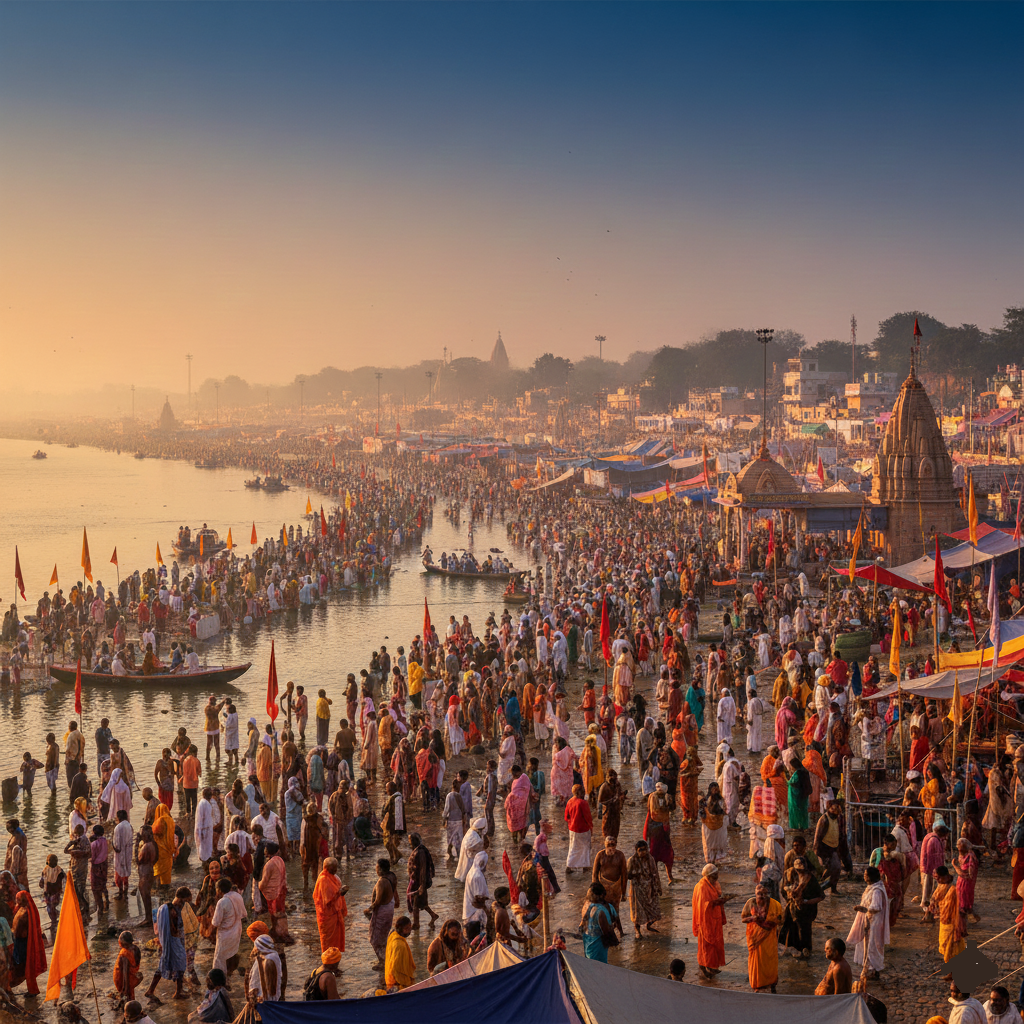
Magh Mela is not only a festival it represents a spiritual mode of life being followed by many devotees who live in tents near the river and observe strict religious daily routines of purity, prayers, charity and simplicity. For many, Magh Mela becomes a turning point of life where they reconnect with religion, get rid of the mental stress, and find inner peace. In a fast-moving modern world Magh Mela presents a rare opportunity to slow down and focus on spiritual growth and self-discipline.
What is Magh Mela 2026?
Magh Mela is an annual religious event which is held throughout the month of Magh as per the lunar calendar of the Hindu calendar. It is believed that during this month, the waters of Ganga and Yamuna will be spiritually powerful and bathing at Sangam helps in removing sins and negative karma. Magh Mela 2026 will follow the same old tradition where people come to take daily holy baths and religious practices.
Many pilgrims prefer to spend the entire month in the simple tents, eat simple food and follow a strict spiritual routine. This long stay is regarded as very beneficial for the spiritual purification and mental discipline. Unlike other festivals that are centered around celebrations, Magh Mela is centered around self-control, praying, and inner quietness.
Important activities during Magh Mela include:
- Daily holy bathing before sunrise
- Morning and evening prayers
- Chanting of mantras and bhajans
- Reading of holy scriptures
- Meditation and yoga practices
- Charity and service to others
Where is Magh Mela Held?
Magh Mela takes place in Triveni Sangam at Prayagraj which is the sacred confluence of three rivers the Ganga, the Yamuna and the unseen Saraswati. Among all the places of pilgrimage in India, Prayagraj is the holiest of the lot due to this rare and powerful confluence. According to the Hindu belief, the Saraswati flows underground and joins the other two rivers at Sangam thereby making it a place of divine energy.
Ancient sages chose Prayagraj to be the best meditation and spiritual practices site. Prayagraj is the king of places of pilgrimage, it is described in scriptures. During Magh Mela, the whole riverbank becomes a spiritual city with chanting, prayers and peaceful religious activities. Pilgrims feel a great sense of calmness and purity in this environment which helps them to concentrate on spiritual goals.
Historical and Mythological Importance of Magh Mela
The spiritual significance of taking a bath in Magh month is mentioned in several ancient Hindu texts such as Puranas and Smritis. It is believed that gods come to earth during this month and bless the devotees who take bath at Sangam with true devotion. This belief made Magh month extremely sacred in Hindu tradition.
Historically, Magh Mela was present even before Kumbh Mela became well known as a massive organised festival. In olden times, Saints and Kings used to motivate people to visit Prayagraj during the month of Magh for religious purification. Over the centuries, when planetary conjunctions were rare, Magh Mela became Kumbh Mela, which became bigger and grander. This is the reason why Magh Mela is considered to be the root and foundation of the Kumbh tradition at Prayagraj.
Even today, when Kumbh does not happen, Magh Mela is held annually and does not face any break in the spiritual practices at Sangam.
Spiritual Meaning of Bathing During Magh Mela
Bathing at Sangam at the month of Magh is believed to cleanse not only the body but also the mind and the soul. Hindu philosophy says that true purity is attained when bad thoughts, anger, jealousies and greed are reduced. The calm environment of Sangam with prayer and faith help people to achieve mental peace and emotional relief.
Many devotees believe that one holy dip in Magh month gives them the same spiritual benefit as doing long religious rituals. That is why, even the people who are not able to stay for whole month, try to visit at least once in Magh Mela. Charity during Magh month is also considered very powerful and people are of the view that donating food, clothes, and money brings blessings and positive karma.
Daily Spiritual Lifestyle During Magh Month
Pilgrims who stay for the full Magh month follow strict daily discipline. This routine helps build self-control and mental strength.
A typical spiritual day during Magh Mela includes:
- Waking up before sunrise
- Bathing in cold river water
- Offering prayers to the Sun God
- Chanting mantras and bhajans
- Reading holy books like Ramayana or Bhagavad Gita
- Attending spiritual talks by saints
- Eating simple vegetarian food
- Practicing silence and meditation
- Performing acts of charity
This disciplined lifestyle removes distractions and allows people to focus on inner development. Many pilgrims say that after following this routine, they feel lighter, happier, and more peaceful.
Important Bathing Days During Magh Mela 2026
Although bathing is done daily, some days are considered especially sacred. On these days, spiritual energy is believed to be very high, and the number of pilgrims increases greatly.
Major bathing days include:
- Makar Sankranti
- Mauni Amavasya
- Basant Panchami
- Maghi Purnima
- Maha Shivratri
On these days, people wake up very early and rush to the river for holy bathing. Saints also perform special prayers and rituals, and many devotees observe fasting and spiritual vows.
Types of Kumbh Mela
Kumbh Mela is organized in three main forms based on ancient tradition and planetary movements.
Kumbh Mela
Kumbh Mela is held every 12 years at each of the four sacred locations — Prayagraj, Haridwar, Ujjain, and Nashik. It attracts crores of pilgrims and saints from across the country and abroad. The main attraction of Kumbh is Shahi Snan, where Akharas of saints take royal bathing processions.
Ardh Kumbh Mela
Ardh Kumbh means half Kumbh and is held every 6 years only at Prayagraj and Haridwar. It is smaller than full Kumbh but still very significant spiritually. Many saints and pilgrims participate in Ardh Kumbh, but crowds are less compared to full Kumbh.
Maha Kumbh Mela
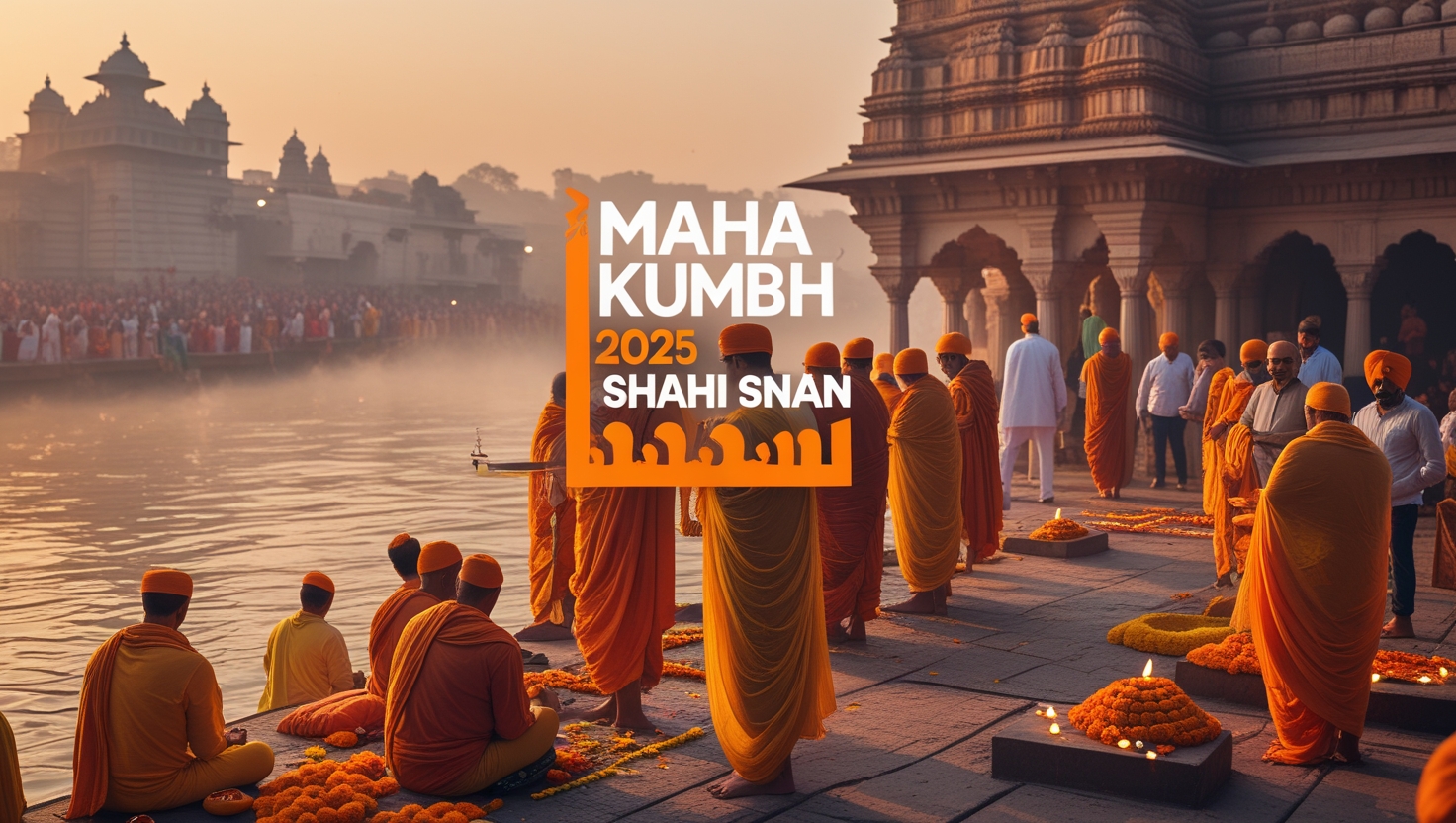
Maha Kumbh is the rarest and most sacred Kumbh. It is held only at Prayagraj once in 144 years after 12 full Kumbh cycles. It is believed that spiritual energy is at its highest during Maha Kumbh, and saints from all traditions gather in huge numbers.
Difference Between Kumbh, Ardh Kumbh and Maha Kumbh
The main differences between these three festivals are based on frequency, locations, and spiritual intensity.
- Kumbh Mela happens every 12 years at all four locations(Prayagraj (Allahabad),Haridwar,Nashik,Ujjain.)
- Ardh Kumbh happens every 6 years only at Prayagraj and Haridwar.
- Maha Kumbh happens once in 144 years only at Prayagraj.
- Crowd size and spiritual rituals increase from Ardh to Kumbh to Maha Kumbh.
- Magh Mela is separate and happens every year regardless of Kumbh cycles.
Magh Mela remains the continuous spiritual foundation of Prayagraj when Kumbh is not taking place.
Why Kumbh Mela is Held Every 12 Years: Astrology Explained
The timing of Kumbh Mela is decided according to Hindu astrology. The main planet involved is Jupiter, which takes about 12 years to complete one full cycle through the zodiac signs. When Jupiter, Sun, and Moon come into specific zodiac positions, it is believed that rivers become spiritually energized.
Role of Jupiter
Jupiter is considered the planet of wisdom, religion, and spiritual growth. Its movement is central to deciding Kumbh timing.
Role of Sun
The Sun represents life energy and purity. When the Sun enters certain zodiac signs, it increases spiritual influence on Earth.
Role of Moon
The Moon controls emotions and mental state. Bathing on specific lunar days is believed to calm the mind and purify emotions.
Astrologers calculate these planetary positions by the methods that were used by ancient scriptures. Only when all the conditions are fulfilled, Kumbh dates is announced. This strict timing is followed because Hindu tradition believes that there is a strong cosmic energy dependence for spiritual benefits.
Connection Between Magh Mela and Kumbh Tradition
Magh Mela is the permanent spiritual presence at Prayagraj, while Kumbh is the great version of this same tradition. During Kumbh years, Magh Mela forms a part of Kumbh mega festival. During non Kumbh years Magh Mela continues independently.
This constant religious activity is the reason why Prayagraj is deemed to be more spiritually active than other Kumbh cities. Many saints believe that regular participation in Magh Mela makes one mentally and spiritually prepared for enduring Kumbh.
Role of Saints and Spiritual Camps
During Magh Mela, saints from different traditions had camps on the river bank. These camps become centers of learning where the devotees can attend spiritual talks, ask questions about life and religion and learn meditation and yoga techniques.
Saints guide people on topics such as:
- Karma and rebirth
- Importance of devotion
- Mental discipline
- Simple living
- Service to humanity
These teachings help people apply spiritual principles in daily life, not just during festivals.
Cultural Importance of Magh Mela
Magh Mela is also a cultural gathering of the diversity of India. Pilgrims from various states bring their own customs, languages and devotional songs. Traditional storytelling, folk music, and religious discussions are not uncommon sights.
Community kitchens and congregational prayers foster good social bonding. People forget their social status and lead a life as equals during the month, which works to strengthen social harmony and unity.
Importance of Magh Mela in Modern Life
Modern life is full of stress, competition and emotional pressure. Magh Mela provides a mental healing experience by taking people away from their hectic schedules and into peaceful spiritual environments. The simple way of life, lack of luxury, and concentration on prayer is helpful in reducing mental burden.
Many visitors say they return with:
- Reduced stress
- Clearer thinking
- Positive attitude
- Stronger faith
- Better emotional control
This is why Magh Mela remains relevant even in modern times.
Why People Visit Magh Mela Every Year
Many families visit Magh Mela every year as a religious tradition. Some elderly devotees consider it a spiritual duty to spend Magh month at Sangam. Others come for emotional healing or to seek blessings for family welfare.
For many, Magh Mela becomes a spiritual habit that keeps them connected with faith throughout life.
Conclusion
Magh Mela 2026 is not just a religious festival but a powerful spiritual journey that continues the ancient traditions of Prayagraj. While Kumbh Mela attracts global attention, Magh Mela quietly maintains the spiritual rhythm of Sangam every year. It teaches discipline, charity, humility, and devotion. In a world full of noise and stress, Magh Mela offers silence, peace, and self-reflection. For anyone seeking spiritual growth, mental peace, and cultural understanding, Magh Mela remains a timeless and meaningful experience.