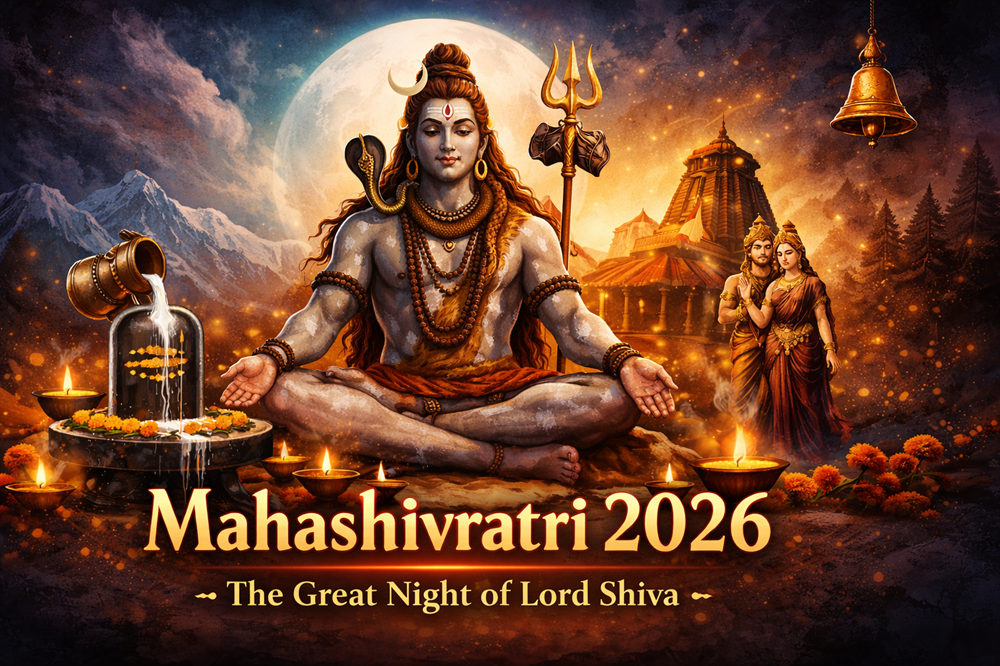
Mahashivratri The Great Night of Lord Shiva. It is a Hindu festival that is one of the most divine festivals in honor of Lord Shiva, who is the god of destruction, transformation and meditation.
During this night, the followers adore Shiva Lingam using water, milk, honey, and bilva leaves. Most of them fast, recite mantras Om Namah Shivaya, and keep the night awake to do prayers and meditation.
Mahashivratri is not merely a religious festival, it is also the night of spiritual enlightenment, discipline and inner self-peace.
Why Mahashivratri is Celebrated
Mahashivratri is celebrated for several reasons:
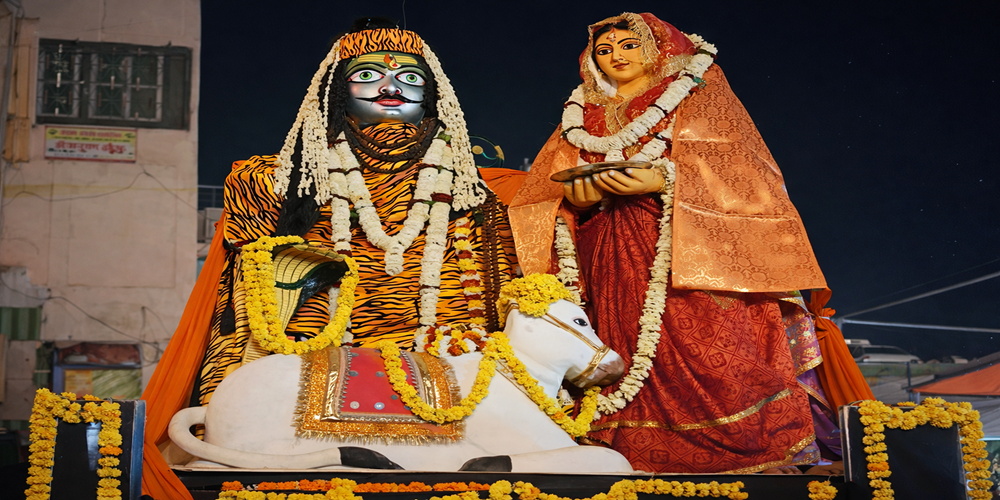
- The night marks the marriage of Lord Shiva and Goddess Parvati.
- Lord Shiva drank the deadly poison Halahala during Samudra Manthan to save the universe.
- Devotees believe that worship on this night removes sins and brings blessings, prosperity, and spiritual growth.
- Staying awake at night symbolizes overcoming darkness and ignorance.
This is why Mahashivratri is observed with devotion and enthusiasm across India.
Mahashivratri 2026 Date and Auspicious Puja Time
Mahashivratri is observed on the Chaturdashi Tithi of Krishna Paksha in the Phalguna month.
For 2026, the Panchang details are:
- Festival Date: Sunday, 15 February 2026
- Tithi Start: 15 February 2026, 5:04 PM
- Tithi End: 16 February 2026, 5:34 AM
Nishita Kaal Puja Time
The most auspicious time for Nishita Kaal Pooja (midnight worship) is:
- From 11:52 PM on 15 February 2026 to 12:42 AM on 16 February 2026
This gives devotees approximately 50 minutes for focused worship of Lord Shiva.
Four Prahar Pooja Times
Mahashivratri night is divided into four Prahars (quarters), and performing puja in each is highly recommended:
- First Prahar: 6:01 PM to 9:09 PM (15 February 2026)
- Second Prahar: 9:09 PM to 12:17 AM (16 February 2026)
- Third Prahar: 12:17 AM to 3:25 AM (16 February 2026)
- Fourth Prahar: 3:25 AM to 6:33 AM (16 February 2026)
Performing puja during these periods maximizes spiritual benefits
Importance of Mahashivratri in Hindu Religion
Lord Shiva is considered the supreme god of transformation and destruction, making Mahashivratri highly significant.
Observing Mahashivratri brings:
- Forgiveness of past sins
- Control over negative habits
- Peace of mind
- Spiritual advancement and blessings
Many saints and yogis also use this night for meditation and inner awakening.
Story of Lord Shiva and Goddess Parvati Marriage
One popular story is the divine marriage of Shiva and Parvati.
Goddess Parvati had performed very harsh penance in order to acquire Lord Shiva as her husband. Shiva was satisfied with her devotion and therefore accepted her. Mahashivratri is the day that they celebrate their marriage hence a holy night to the devotees who want their spouses to have marital blessings or long life.
Samudra Manthan and Neelkanth Story
During Samudra Manthan (churning of the ocean by gods and demons), a deadly poison called Halahala appeared.
Lord Shiva drank the poison to save the universe. His throat turned blue, earning him the name Neelkanth.
Mahashivratri honors this selfless sacrifice and protection of the world.
Spiritual Meaning of Mahashivratri
Spiritually, Mahashivratri represents:
- Triumph of light over darkness
- Control over desires
- Awakening of inner energy
Yogis consider it an ideal night for meditation as cosmic energy is at its peak.
How Mahashivratri is Celebrated in India
Celebrations vary across regions:
- Temples: Special pujas, abhishekam, and aartis
- Homes: Devotees offer milk, water, honey, and bilva leaves
- Chanting: “Om Namah Shivaya” and other mantras
- Fasting: Full or partial fasts
- Jagran: Staying awake all night in devotion
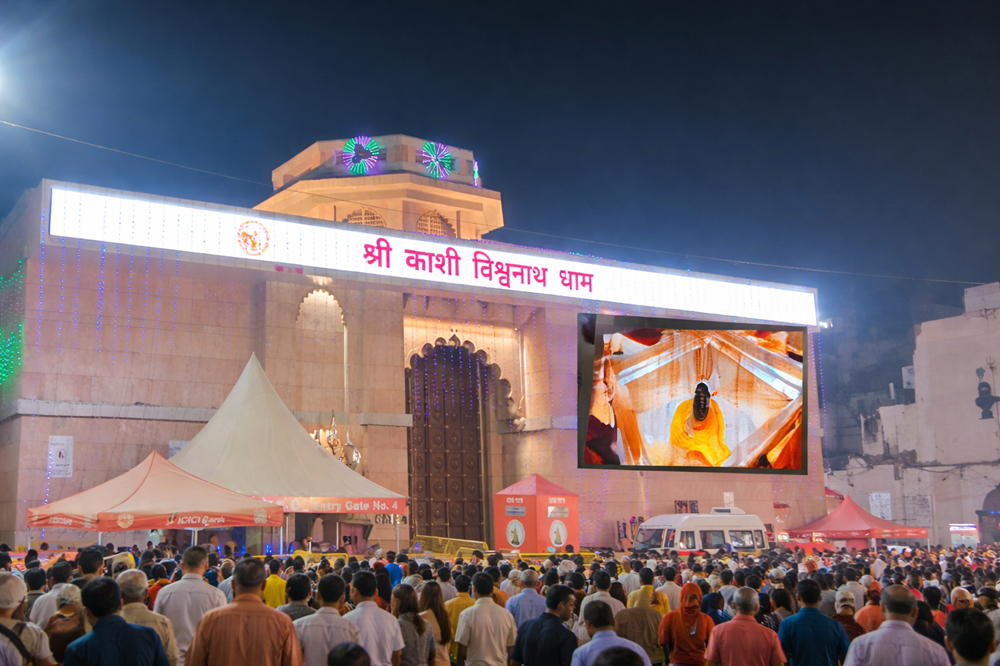
Places like Varanasi, Ujjain, Somnath, Kedarnath see massive gatherings of devotees.
Famous Shiva Temples to Visit on Mahashivratri
- Kashi Vishwanath, Varanasi
- Mahakaleshwar Jyotirlinga, Ujjain
- Somnath Temple, Gujarat
- Kedarnath Temple, Uttarakhand
- Brihadeeswarar Temple, Tamil Nadu
Visiting these temples is believed to bring special blessings and spiritual merit.
Mahashivratri Pooja Vidhi
Simple puja steps:
- Wake up early and take a bath
- Clean pooja area
- Place Shiva Lingam or photo of Shiva
- Offer water, milk, honey, and bilva leaves
- Light a diya and incense sticks
- Chant “Om Namah Shivaya”
- Perform aarti
- Pray for blessings and peace
Puja can be repeated in all four Prahars.
Items Required for Shiv Pooja
- Shiva Lingam or Shiva photo
- Milk, water, honey
- Bilva leaves
- White flowers
- Fruits
- Incense sticks and diya
- Prasad
Devotion is the key; even a simple offering is sufficient.
Mahashivratri Fasting Rules (Vrat Vidhi)
Types of fasting:
- Nirjala Vrat: Without water (strict)
- Phalahar Vrat: Fruits and milk only
- Normal Vrat: Simple food without grains
Fasting should suit your health.
What to Eat During Shivratri Fast
Allowed foods:
- Fruits, milk, curd
- Sabudana, singhara atta
- Coconut water, nuts
Avoid:
- Rice, wheat
- Onion, garlic
- Non-vegetarian and fried oily foods
Night Vigil (Jagran) and Its Importance
Staying awake at night (Jagran) is spiritually powerful:
- Enhances spiritual awareness
- Controls laziness
- Focuses mind on God
Devotees chant mantras and sing bhajans throughout the night.
Benefits of Observing Mahashivratri Vrat
- Peace of mind
- Good health
- Removal of negative energy
- Success in life
- Divine blessings of Lord Shiva
Even simple prayer without fasting is spiritually valuable.
Mahashivratri and Yoga Meditation
Many practice meditation on this night for:
- Stress relief
- Better concentration
- Increased positive energy
- Emotional balance
It is an ideal night to start spiritual practices.
Conclusion
Mahashivratri 2026 is a religious chance to meet the Lord Shiva. Devotees can have peace, positivity and spiritual development by doing puja, chanting mantras, meditating, and fasting.
This sacred night teaches that faith, devotion and discipline are the keys to conquering the troubles. True worship may be at home or at temple, but it should be of a pure heart.