Masan Holi & Kashi Holi 2026
Correct Dates, Locations & Complete Guide to the Sacred Festival of Varanasi
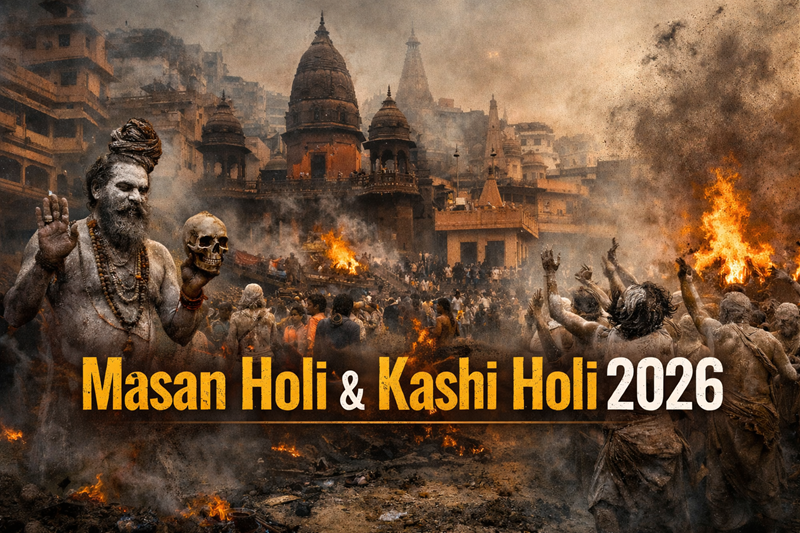
Holi in Varanasi is unlike anywhere else in the world. While most cities celebrate Holi with colors, water, and joy, Varanasi adds a deeply spiritual and mystical dimension to the festival. Here, Holi is not just about colors — it is about life, death, liberation, and devotion to Lord Shiva.
One of the most unique traditions of this ancient city is Masan Holi, also known as Bhasma Holi, where Holi is celebrated with sacred ash from cremation grounds. This powerful ritual symbolizes the eternal truth of existence — that life and death are inseparable, and both are part of the divine cycle.
If you are planning to experience Holi in Varanasi in 2026, it is important to know the correct dates, locations, and significance of each event. This guide provides complete and accurate information about Masan Holi and Kashi Holi 2026.
Correct Dates of Masan Holi & Kashi Holi 2026
Here are the confirmed and accurate dates for Masan Holi and the main Holi celebrations in Varanasi, following the traditional Hindu calendar as observed by devotees, priests, and locals:
| Date | Event & Location |
|---|---|
| 27 February 2026 Friday |
Rangbhari Ekadashi — Kashi Vishwanath Temple
Opening Day
+ Masan Holi at Harishchandra Ghat |
| 28 February 2026 Saturday |
Masan Holi — Manikarnika Ghat Iconic Day |
| 3 March 2026 Tuesday |
Holika Dahan — Across Varanasi |
| 4 March 2026 Wednesday |
Rangwali Holi (Dhulandi) — Entire City Main Holi |
What is Masan Holi?
Masan Holi is one of the rarest and most spiritually intense Holi celebrations in the world. The word “Masan” means cremation ground. Unlike traditional Holi, where people use colors, here devotees use sacred ash (bhasma) from funeral pyres.
This tradition is directly connected with Lord Shiva, who is believed to reside in cremation grounds. In Hindu philosophy, Shiva represents destruction and transformation, which leads to liberation. The ash used in Masan Holi symbolizes profound truths:
- The temporary nature of the human body
- The eternal nature of the soul
- Freedom from ego and attachment
- The ultimate truth of existence
Devotees chant “Har Har Mahadev” and apply ash on each other, celebrating the victory of truth over illusion.
“Masan Holi does not try to impress you. It lets the fire burn, lets the ash settle — and waits to see if you are still standing when celebration fades.”
— The Spirit of KashiRangbhari Ekadashi – 27 February 2026
Rangbhari Ekadashi marks the beginning of Holi celebrations in Varanasi. According to tradition, this is the day when Lord Shiva returns to Kashi with Goddess Parvati after their marriage — and this is considered the official start of Holi in the city.
The temple is decorated beautifully, priests perform special rituals, devotees offer gulal (colored powder) to Lord Shiva, and a grand procession takes place. After the temple celebrations, Masan Holi begins at Harishchandra Ghat.
Masan Holi at Harishchandra Ghat – 27 February 2026
Harishchandra Ghat is one of the oldest cremation grounds in Varanasi. It holds deep spiritual importance and is associated with truth and sacrifice. The environment is both intense and spiritual — this is not a celebration of death, but a celebration of liberation and truth.
Sadhus, Aghoris, and devotees gather at the ghat. Sacred ash from funeral pyres is used instead of colors. Devotional songs dedicated to Lord Shiva fill the air, mantras echo throughout, and devotees apply ash to each other in spiritual celebration. This event attracts spiritual seekers, photographers, and tourists from around the world.
Masan Holi at Manikarnika Ghat – 28 February 2026
Manikarnika Ghat is the most sacred cremation ground in Varanasi. It is believed that cremation here grants moksha — freedom from the cycle of rebirth. Masan Holi at this ghat is even more powerful and significant than at Harishchandra.
Aghori sadhus perform sacred rituals. Devotees dance with ash as drums and bells create a divine atmosphere. The chants of “Mahadev” echo across the ghat. The cremation fires burn continuously, reminding everyone of the eternal cycle. This Holi is not about joy in the usual sense — it is about acceptance, spiritual awakening, and liberation.
Spiritual Meaning Behind Masan Holi
Masan Holi carries deep philosophical meaning. Lord Shiva is often shown covered in ash, symbolizing detachment from material life. By celebrating Holi with ash, devotees express their surrender to divine truth. It teaches that:
Life is temporary. The body will turn into ash. The soul is eternal. Only truth and devotion remain forever.
This makes Masan Holi one of the most spiritually meaningful festivals in India — and one of the most unique in the entire world.
Holika Dahan – 3 March 2026
Holika Dahan represents the destruction of evil and the purification of the soul. Bonfires are lit across Varanasi, people gather around the fire, prayers are offered, and negative energies are symbolically burned in the sacred flames of Kashi.
Rangwali Holi – 4 March 2026
Streets fill with colors, people throw gulal and water, and music and dance continue all day. The ghats along the Ganga River become vibrant with celebration. Assi Ghat, Dashashwamedh Ghat, and the old city lanes turn into rivers of color from 8 AM to afternoon. This Holi represents joy, unity, and happiness.
✦ Atmosphere During Masan Holi
Smoke rising from cremation pyres, creating a mystical grey haze over the ghat
Continuous chanting of “Har Har Mahadev” echoing across the Ganga
Sound of temple bells and rhythmic beating of drums filling the air
Sacred ash floating in the air as devotees dance in spiritual devotion
Cremation fires burning continuously — a reminder of life’s eternal cycle
Why Masan Holi is Unique in the World
Unlike any other Holi festival, Masan Holi is celebrated inside cremation grounds, uses sacred ash instead of colors, represents acceptance of death, and focuses on liberation rather than conventional joy. No other city celebrates Holi in this way. Only Varanasi — the city of Lord Shiva — has this extraordinary tradition, making it one of the most powerful spiritual experiences available anywhere on earth.
Who Participates in Masan Holi?
Aghori Sadhus
Hindu Priests
Local Devotees
Spiritual Seekers
Tourists
Photographers
Aghoris are especially known for their deep connection to cremation grounds and Lord Shiva. Their presence makes the celebration even more mystical and spiritually intense. Visitors are welcome, but generally as respectful observers rather than active participants.
Importance of Varanasi in Hinduism
Varanasi is considered the oldest living city in the world. It is believed that Lord Shiva himself resides here, that dying in Varanasi grants liberation (moksha), and that the city is eternal and indestructible. Millions of pilgrims visit every year. Holi in Varanasi reflects this deepest spiritual essence — where life, death, and celebration exist together on the same ghat.
Best Locations to Experience Holi in Varanasi
Manikarnika Ghat
Harishchandra Ghat
Kashi Vishwanath Temple
Dashashwamedh Ghat
Assi Ghat
Travel Tips for Experiencing Masan Holi 2026
Arrive early — ghats become extremely crowded quickly during festival days.
Respect local customs — this is a deeply sacred ritual, not a tourist show.
Wear simple, old clothes — avoid expensive or brightly colored items.
Follow safety rules — stay in public areas and travel in groups.
Respect cremation rituals — maintain silence and dignity near the pyres.
Book hotels in advance — Varanasi fills up fast during Holi season.
Frequently Asked Questions (FAQ)
Masan Holi and Kashi Holi 2026 offer one of the most unique spiritual experiences in the world. With Masan Holi on 27 February at Harishchandra Ghat and 28 February at Manikarnika Ghat, devotees and visitors can witness a tradition that exists nowhere else on earth. This celebration goes beyond colors — it represents truth, liberation, and devotion to Lord Shiva. Experiencing Masan Holi is not just attending a festival. It is witnessing the eternal truth of existence.