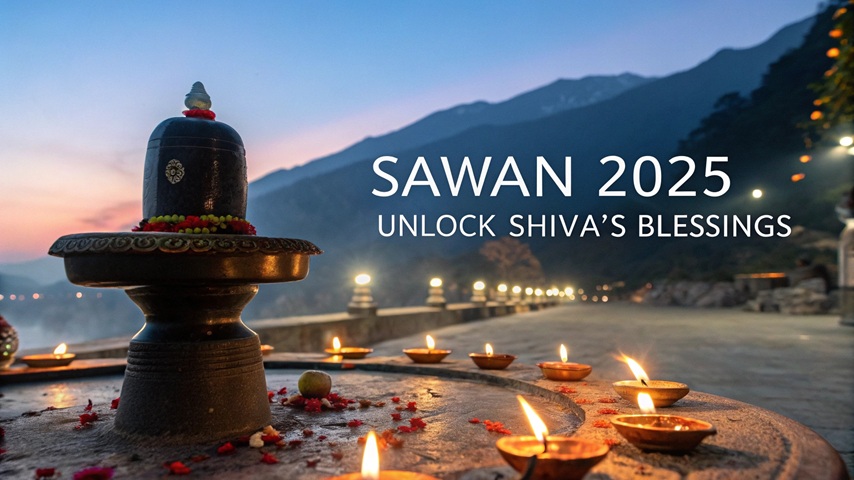
There is something truly magical about the month of Sawan. The moment the monsoon clouds roll in and the fragrance of wet earth fills the air, millions of devotees across India feel a deep spiritual pull towards Lord Shiva. The temples ring with the chant of Om Namah Shivaya, rivers flow fuller and purer, and hearts overflow with devotion.
Nowhere is this divine energy more powerfully felt than in Varanasi — the ancient city of Lord Shiva, where the sacred Kashi Vishwanath Temple stands as the most revered Shiva shrine on earth. During Sawan, the ghats of Varanasi come alive with hundreds of thousands of devotees chanting, praying, and performing Abhishek. The entire city transforms into a living temple.

Sawan, also known as Shravan Maas, is the holiest month in the Hindu calendar. It is the month when Lord Shiva is believed to be most accessible to his devotees — a time when prayers are answered, wishes are fulfilled, and divine blessings flow abundantly. According to Hindu scriptures, Lord Shiva himself drank the deadly poison (Halahal) during the churning of the ocean (Samudra Manthan) to protect the universe — and it was during this sacred month that he did so.
Every Sawan Somwar (Monday of Sawan) carries enormous spiritual weight. Fasting on these Mondays, performing Shivling Abhishek, and chanting the Mahamrityunjaya Mantra can transform a person’s life — bringing peace, prosperity, health, and divine grace.
If you are planning to observe the Sawan Somwar Vrat in 2026 — whether at your home temple or by making a pilgrimage to Kashi (Varanasi) — this complete guide covers everything you need: all important dates, Kashi Vishwanath darshan guide, a step-by-step Shiva Abhishek method, powerful mantras, fasting rules, puja samagri, and much more.
The Spiritual Importance of Sawan Month (Shravan Maas)
The sacred texts of Hinduism — including the Shiva Purana — clearly state that Shravan Maas is the most beloved month of Lord Shiva. Here is why this month holds such deep significance:
- Lord Shiva saved the universe during Sawan by consuming Halahal poison, which turned his throat blue — earning him the name Neelkanth.
- Goddess Parvati fasted during Sawan Somwar to win Lord Shiva as her husband. Her devotion was rewarded, and since then, unmarried women and married women alike observe this fast for blessings in relationships and marriage.
- The planetary alignment during Sawan is considered highly favorable for spiritual practices and Shiva worship.
- Offering water to Shivling during Sawan is believed to cool down the divine energy of Lord Shiva, making him compassionate and generous towards his devotees.
The Power of Shravan Maas 2026
Observing Sawan fasts and performing puja during Shravan Maas 2026 can bring:
- Removal of sins and karmic debts
- Peace of mind and emotional stability
- Blessings for good health and longevity
- Harmony in relationships and marital bliss
- Professional success and financial prosperity
- Moksha — liberation from the cycle of birth and death
Sawan 2026 Start Date and End Date
| Region | Calendar System | Sawan Start Date | Sawan End Date |
|---|---|---|---|
| North India (UP, Bihar, MP, Rajasthan, Delhi) | Purnimant | 30 July 2026 | 28 August 2026 |
| South India (Karnataka, Tamil Nadu, Andhra Pradesh) | Amanta | 13 August 2026 | 11 September 2026 |
| Gujarat & Maharashtra | Amanta | 13 August 2026 | 11 September 2026 |
Note: In 2026, both North and South India begin Sawan on the same date — 24 July 2026. The end dates differ slightly due to the difference in calendar systems. The month of Sawan lasts approximately 30 days.
Sawan Somwar 2026 Full Date List — All 4 Mondays
In 2026, Sawan brings five Mondays (Somwars), which is considered especially auspicious. Each Sawan Somwar is an opportunity to deepen your devotion to Lord Shiva.
| Somwar Number | Date | Day |
|---|---|---|
| 1st Sawan Somwar | August 3, 2026 | Monday |
| 2nd Sawan Somwar | August 10, 2026 | Monday |
| 3rd Sawan Somwar | August 17, 2026 | Monday |
| 4th Sawan Somwar | August 24, 2026 | Monday |
Mark these dates in your calendar. Each of these five Mondays is an incredibly powerful opportunity to connect with Lord Shiva through fasting, prayer, and Abhishek.
Important Festivals During Sawan 2026
Sawan is not just about Mondays — the entire month is filled with sacred festivals. Here are the key festivals to celebrate during Shravan Maas 2026:
| Festival | Date 2026 | Significance |
|---|---|---|
| Hariyali Teej | 15 August 2026 | Women fast and pray for marital happiness |
| Nag Panchami | 17 August 2026 | Worship of serpent deities |
| Shravan Shivratri | 11 August 2026 | Special Shivratri in Sawan — most powerful night |
| Raksha Bandhan | 28 August 2026 | Celebration of sibling bond |
Shravan Shivratri 2026 on 11 August is one of the most powerful nights of the year for Shiva worship. Performing an overnight vigil (Jaagran) and doing Abhishek at midnight on this night multiplies the spiritual benefits manifold.
Kashi Vishwanath Temple Varanasi — The Most Sacred Place to Worship Lord Shiva During Sawan
If you truly want to experience the divine power of Sawan in its most intense and sacred form, there is no place on earth like Kashi — the ancient city of Varanasi. Kashi is not just a city; it is Lord Shiva’s own abode. According to the Puranas, Kashi rests eternally on the trident of Lord Shiva (Trishul). It is a place so sacred that even dying in Kashi is considered moksha — liberation from the cycle of birth and death.
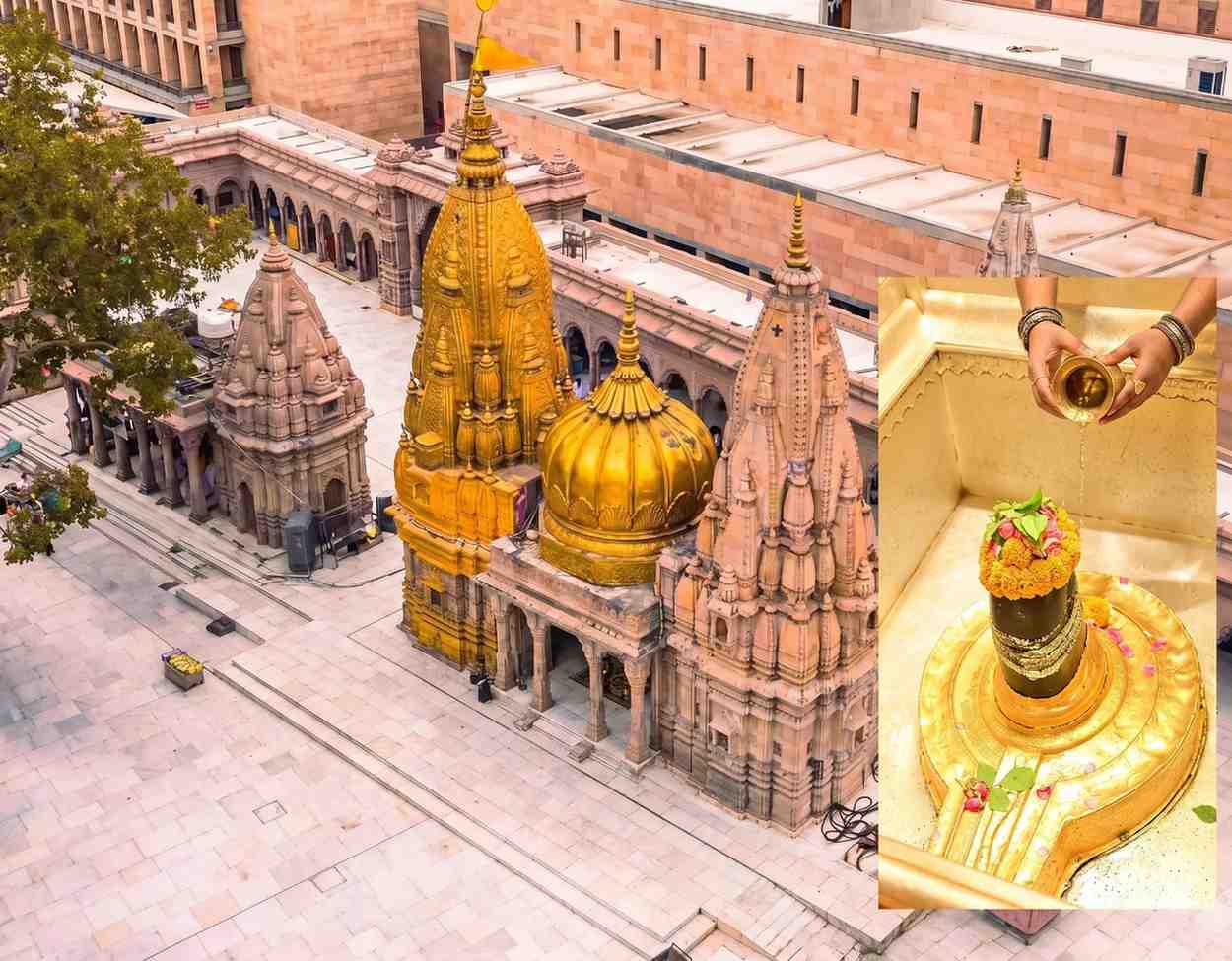
The Shri Kashi Vishwanath Jyotirlinga — located in the heart of Varanasi’s ancient lanes — is one of the 12 Jyotirlingas of Lord Shiva, and it is the most celebrated among them. Vishwanath means “Lord of the Universe,” and it is believed that Lord Shiva himself resides in this temple in his full cosmic form.
Kashi Vishwanath Temple During Sawan 2026 — What to Expect
Sawan transforms Varanasi into something almost beyond description. During Sawan 2026 (30 July to 28 August), the Kashi Vishwanath temple witnesses:
- Lakhs of devotees arriving daily from across India and abroad for darshan and Abhishek
- Extended temple hours — the temple opens as early as 2:30 AM during Sawan for Mangala Aarti
- Special Sawan Somwar queues — on Mondays, the crowd multiplies dramatically; devotees wait for hours simply for a brief glimpse of the Jyotirlinga
- Rudrabhishek ceremonies conducted by temple priests — a highly auspicious Abhishek performed with Vedic mantras
- Kanwariyas (Kanwar pilgrims) arriving from across North India with Ganga Jal to offer to Baba Vishwanath
- The streets of Kashi light up with diyas (earthen lamps) every evening, and the fragrance of incense fills every alley
Kashi Vishwanath Jyotirlinga — Spiritual Significance
| Feature | Details |
|---|---|
| Temple Location | Vishwanath Gali, Varanasi, Uttar Pradesh |
| Jyotirlinga Number | 1st among the 12 Jyotirlingas (most sacred) |
| Presiding Deity | Lord Shiva as Vishwanath (Lord of the Universe) |
| Consort | Goddess Annapurna (Vishwanath’s divine companion) |
| Sacred River | Ganga (Ganges) — flows just meters from the temple |
| Aarti Timings | Mangala Aarti at 3:00 AM; Shringar Aarti, Bhog Aarti, Sandhya Aarti, Shringar Bhog Aarti, Shayan Aarti |
| Best Sawan Visit Time | Brahma Muhurat (3:00–5:00 AM) on Sawan Somwars |
The Five Aartis of Kashi Vishwanath Temple
The daily worship schedule at the Kashi Vishwanath temple follows five sacred Aartis, each representing a different aspect of Lord Shiva’s cosmic activities:
- Mangala Aarti (approximately 3:00 AM) — The awakening of Lord Vishwanath; attending this on a Sawan Somwar is considered supremely auspicious
- Shringar Aarti (approximately 11:15 AM) — Adorning the deity with divine ornaments
- Bhog Aarti (approximately 12:00 PM) — Offering of food to the Lord
- Sandhya Aarti (approximately 7:00 PM) — The magnificent evening prayer that echoes across the Ganga Ghats
- Shayan Aarti (approximately 10:30 PM) — Bidding the Lord to rest for the night
Rudrabhishek at Kashi Vishwanath During Sawan
One of the most powerful spiritual experiences you can have during Sawan 2026 is getting a Rudrabhishek performed in your name at the Kashi Vishwanath temple. In this ceremony, qualified Vedic priests chant the complete Sri Rudram and Chamakam (ancient Vedic hymns from the Yajurveda) while performing an elaborate Abhishek of the Jyotirlinga with panchamrit, Ganga Jal, and other sacred items.
You can either be physically present in Varanasi for the Rudrabhishek or arrange it through the temple’s official trust. The blessings received from a Kashi Vishwanath Rudrabhishek during Sawan are considered immeasurable.
The New Kashi Vishwanath Corridor — A Modern Pilgrimage Experience
The magnificent Kashi Vishwanath Dham Corridor, inaugurated in December 2021, has completely transformed the pilgrimage experience in Varanasi. The new corridor:
- Directly connects the temple to the sacred Lalita Ghat on the Ganges
- Provides stunning views of the Ganga from the temple complex
- Accommodates far more devotees comfortably — especially important during the massive Sawan rush
- Houses multiple smaller shrines, a museum, and facilities for pilgrims
- Makes it possible for devotees to take a Ganga bath and then walk directly to the Jyotirlinga — fulfilling the traditional pilgrimage sequence perfectly
During Sawan Somwar 2026, this corridor becomes one of the most spiritually charged walkways in the world, packed with devotees chanting “Har Har Mahadev” and “Jai Baba Vishwanath.”
Varanasi Ganga Ghats During Sawan — A Spiritual Experience Like No Other
The sacred Ghats of Varanasi are inseparable from the Sawan experience. During Shravan Maas 2026, the ghats witness:
- Dashashwamedh Ghat — The site of the famous Ganga Aarti performed every evening; during Sawan, this Aarti takes on an even more sacred dimension with special prayers to Lord Shiva
- Manikarnika Ghat — The eternal cremation ghat, where the fires have never been extinguished; a reminder of Shiva’s role as Mahakaal, the lord of death and liberation
- Asi Ghat — Where pilgrims begin the sacred Panchakroshi Yatra (circumambulation of Kashi)
- Har Ki Pauri Style Bathing at Varanasi Ghats — Thousands bathe in the Ganga every dawn during Sawan, believing that a holy dip during Shravan Maas washes away all sins
How to Plan Your Sawan 2026 Visit to Kashi Vishwanath
If you are planning a Varanasi Sawan yatra in 2026, here are some practical tips:
- Best days to visit: Any of the 4 Sawan Somwars ( 3 August, 10 August, 17 August, or 24 August 2026) or Shravan Shivratri on 11 August 2026
- Best time to arrive at the temple: Between 3:00 AM and 5:00 AM to attend Mangala Aarti and have darshan before crowds build up
- Book accommodation early: Varanasi fills up extremely fast during Sawan; book your stay at least 2–3 months in advance
- Wear simple clothes: Light cotton clothes in white, yellow, or saffron are ideal for temple visits
- Carry your offerings: Bring Bel Patra, white flowers, milk, and Ganga Jal for personal Abhishek
- Register for Rudrabhishek: Contact the Shri Kashi Vishwanath Temple Trust in advance to book a Rudrabhishek slot on your chosen Sawan Somwar
Famous Shiva Temples Kashi Vishwanath to Visit During Sawan
Varanasi and its surroundings are home to many ancient and powerful Shiva temples that are especially worth visiting during Sawan 2026:
The Significance of Sawan Somwar Vrat — Why You Should Observe This Fast
Spiritual and Material Benefits of Sawan Monday Fast
Observing the Sawan Somwar Vrat is one of the most powerful spiritual practices in Hinduism. The benefits are both immediate and long-lasting:
Spiritual Benefits:
- Deep connection with Lord Shiva and his divine energy
- Purification of the mind, body, and soul
- Accumulation of positive karma
- Protection from negative energies and evil influences
For Marriage and Relationships:
- Unmarried women who observe Sawan Somwar Vrat are blessed with a good life partner (just as Goddess Parvati received Lord Shiva)
- Married couples experience greater harmony, love, and understanding
- Conflicts in relationships are resolved through divine intervention
For Health and Prosperity:
- Lord Shiva blesses devotees with good health and longevity
- Financial blockages are removed
- New opportunities open in career and business
For Peace of Mind:
- Regular fasting during Sawan reduces stress and anxiety
- Mantra chanting creates a calm and focused state of mind
- Devotion to Lord Shiva brings inner contentment
Complete Shiva Abhishek Method (Step-by-Step Shiv Puja Vidhi)
Shivling Abhishek is the sacred act of offering various holy substances to the Shivling while chanting mantras. It is the most powerful form of Shiva worship, and during Sawan, its effects are multiplied many times over.
Here is the complete, step-by-step Shiv Puja Vidhi for Sawan Somwar 2026:
Step 1: Wake Up at Brahma Muhurat
Rise before sunrise — ideally between 4:00 AM and 6:00 AM. This sacred time is called Brahma Muhurat and is the most spiritually potent time of the day. Your mind is fresh, the atmosphere is pure, and your prayers reach Lord Shiva directly.
Step 2: Take a Holy Bath
Bathe with pure water. If possible, add a few drops of Ganga Jal (holy water from the Ganges) to your bath. Wear clean, freshly washed clothes — preferably white or light-colored garments, which represent purity and devotion.
Step 3: Take the Sankalp (Sacred Vow)
Sit in front of the Shivling or a Shiva idol and take a Sankalp — a sacred resolution. Hold water and flowers in your joined hands, close your eyes, and sincerely state your intention: “O Lord Shiva, I am observing this fast and performing this Abhishek for your divine blessings. Please accept my devotion.”
Step 4: Set Up the Shivling
Place the Shivling on a clean pedestal (preferably a copper or brass plate). Ensure it is positioned such that the spout (Jalhari) faces north. Decorate the area with flowers and a lit lamp (diya).
Step 5: Begin the Abhishek — Offerings in Order
Perform the Abhishek by pouring the following items over the Shivling one by one, chanting Om Namah Shivaya with each offering:
- Jal (Pure Water / Ganga Jal) — Cleanses and cools the divine energy of Lord Shiva
- Dugdh (Milk) — Symbolizes purity and nourishment; brings health blessings
- Dadhi (Curd / Yogurt) — Represents prosperity and abundance
- Madhu (Honey) — Sweetens life and brings happiness
- Sharkara (Sugar/Mishri) — Blesses with sweetness in relationships
- Ghee (Clarified Butter) — Enhances wisdom and spiritual strength
- Panchamrit — A mixture of all five above; the most sacred offering
- Ganga Jal (Holy Water) — Final cleansing and spiritual sanctification
Step 6: Offer Bel Patra (Sacred Bilva Leaves)
Bel Patra is Lord Shiva’s most beloved offering. Place three-leaved Bilva leaves (smooth side down) on the Shivling while chanting “Om Namah Shivaya.” The Shiva Purana states that offering Bel Patra removes the sins of many past lives.
Step 7: Offer White Flowers
Offer white flowers like white oleander, white lotus, or Kund flowers. Lord Shiva is particularly fond of white-colored flowers, which symbolize purity and surrender.
Step 8: Offer Dhatura and Aak Flowers
Dhatura (thorn apple) and Aak (Calotropis) flowers are specially dear to Lord Shiva. Offer these while chanting his name.
Step 9: Light Incense Sticks (Dhoop and Agarbatti)
Light incense sticks and wave them in front of the Shivling in a circular motion. The fragrant smoke purifies the atmosphere and creates a divine ambiance.
Step 10: Perform Shiva Aarti
Conclude the puja by performing the Shiva Aarti — sing or chant the Aarti while ringing a bell. Offer the lighted camphor flame (Aarti diya) to the Shivling. Finally, offer prasad (sacred food offering) and distribute it among family members.
Sawan Monday Fast Rules — What You Must Know
Following the proper Sawan fasting rules is essential to receive the full blessings of Lord Shiva. Here are the key guidelines:
Foods Allowed During Sawan Fast
- Fresh fruits (bananas, apples, mangoes, pomegranates)
- Milk, curd, and other dairy products
- Sabudana (tapioca pearls) khichdi or vada
- Kuttu (buckwheat) flour preparations
- Singhara atta (water chestnut flour) dishes
- Rock salt (Sendha Namak) instead of regular salt
- Dry fruits and nuts
- Potatoes and sweet potatoes
Foods to Avoid During Sawan Fast
- Regular table salt (use only Sendha Namak)
- Non-vegetarian food (strictly avoided throughout Sawan)
- Onion and garlic
- Rice and wheat (regular grains)
- Alcohol and tobacco
- Eggplant (brinjal)
Purity Rules to Follow
- Maintain celibacy on fast days
- Avoid negative speech — no lying, gossiping, or harsh words
- Keep the mind pure — avoid anger, jealousy, and greed
- Wear clean clothes throughout the day
- Chant mantras as much as possible throughout the day
- Break the fast in the evening after performing puja and Aarti
Powerful Shiva Mantras for Sawan 2026
Chanting these mantras during Sawan — especially on Somwar — amplifies your prayers and connects your consciousness directly with Lord Shiva’s divine energy.
1. Mahamrityunjaya Mantra
This is the most powerful healing and protection mantra dedicated to Lord Shiva.
Sanskrit:
ॐ त्र्यम्बकं यजामहे सुगन्धिं पुष्टिवर्धनम् । उर्वारुकमिव बन्धनान् मृत्योर्मुक्षीय माऽमृतात् ॥
Transliteration:
Om Tryambakam Yajamahe Sugandhim Pushtivardhanam Urvaarukamiva Bandhanaan Mrityor Mukshiya Maamritaat
Meaning: “We worship Lord Shiva — the three-eyed one — who is full of fragrance and who nourishes all beings. May He liberate us from the bondage of death, as a ripe cucumber is separated from the vine, and may He not keep us away from immortality.”
Benefits: Chanting this mantra 108 times daily during Sawan removes fear of death, heals diseases, removes obstacles, and grants moksha.
2. Om Namah Shivaya — The Panchakshara Mantra
This is the most fundamental and universally chanted Shiva mantra — five sacred syllables that carry the essence of all creation.
Mantra:
ॐ नमः शिवाय
Transliteration:
Om Namah Shivaya
Meaning: “I bow to Lord Shiva — the auspicious one who is the supreme reality.”
Benefits: Chanting Om Namah Shivaya continuously during Sawan purifies the soul, removes ego, grants inner peace, and establishes a deep personal connection with Lord Shiva.
3. Manokamna Siddhi Mantra (Wish Fulfillment Mantra)
This powerful mantra is chanted during Sawan to fulfill sincere wishes and desires:
Mantra:
ॐ नमः शिवाय शुभं शुभं कुरु कुरु शिवाय नमः ॐ
Transliteration:
Om Namah Shivaya Shubham Shubham Kuru Kuru Shivaya Namah Om
Meaning: “O Lord Shiva, I bow to you. Please grant me auspiciousness and fulfill my wishes.”
Benefits: Chanting this mantra with a clear and sincere intention during Sawan Somwar puja is said to help devotees achieve their heartfelt desires — be it a good marriage, career success, health recovery, or peace in family life.
Sawan Puja Samagri List — Complete Items You Need
Before you perform the Sawan Somwar Puja, gather all the following items:
For the Shivling and Setup:
- Shivling (marble, brass, or crystal)
- Puja thali (plate)
- Copper or brass vessel for water
- Ganga Jal (holy water)
For Abhishek:
- Pure cow’s milk
- Curd (fresh)
- Honey
- Sugar / Mishri
- Pure ghee
- Gangajal or fresh pure water
For Offerings:
- Fresh Bel Patra (Bilva leaves — in sets of 3)
- White flowers (white lotus or oleander)
- Dhatura flowers
- Aak / Madar flowers
- Chameli (jasmine) flowers
For Decoration and Worship:
- Sandal paste (chandan)
- Kumkum (red vermillion)
- Akshat (unbroken rice grains)
- Incense sticks (agarbatti)
- Dhoop (incense cones)
- Camphor (kapoor) for Aarti
- Diya (clay lamp) and oil/ghee
- Cotton wicks
For Prasad:
- Panchamrit
- Fruits
- Coconut
- Sweets (halwa, laddoo)
Benefits of Observing Sawan Somwar Vrat — A Deeper Look
The Sawan Somwar Vrat is not just a religious ritual — it is a holistic spiritual practice that transforms every dimension of life:
- Positive Energy: Fasting and prayer during Sawan cleanse the aura and fill the devotee with radiant positive energy that others can sense and feel.
- Prosperity: Lord Shiva is the destroyer of poverty. Devotees who faithfully observe Sawan fasts have reported remarkable improvements in financial situations.
- Better Health: The disciplined diet of fasting, combined with the healing vibrations of Shiva mantras, supports physical health and recovery.
- Relationship Harmony: Sawan fasting reduces the ego and cultivates patience — qualities that naturally improve relationships with family, friends, and partners.
- Spiritual Growth: Regular worship during Sawan accelerates spiritual development and deepens one’s understanding of life’s higher purpose.
- Removal of Obstacles: Lord Shiva is the Mahakaal — the master of time and destiny. His blessings during Sawan can remove even the most stubborn obstacles from a devotee’s life path.
- Protection: The divine grace of Lord Shiva during Sawan creates a protective shield around the devotee and their family.
Sawan 2026 in Varanasi, Maharashtra, Karnataka, and Gujarat
Varanasi (Kashi) — The Spiritual Capital of Sawan
Sawan in Varanasi is an experience that every devotee of Lord Shiva should have at least once in their lifetime. The city of Kashi is where the sacred Ganga River meets Lord Shiva’s eternal abode, creating a spiritual vortex of energy that is unmatched anywhere else on earth.
Key highlights of Sawan 2026 in Varanasi:
- Sawan 2026 Varanasi dates: 30 July to 28 August 2026
- Millions of Kanwariyas arrive on foot carrying Ganga Jal to offer at Kashi Vishwanath
- The Shravan Shivratri on 11 August 2026 is celebrated with an all-night Jagran and special Rudrabhishek at the Kashi Vishwanath temple
- Every Sawan Somwar, the temple queues stretch for hours — devotees wait with profound patience and devotion
- Ganga Aarti at Dashashwamedh Ghat becomes even more grand during Sawan evenings
Conclusion
Sawan 2026 is approaching, and with it comes one of the most beautiful spiritual opportunities of the year. For thirty sacred days — from 30 July to 28 August 2026 — the universe invites you to slow down, turn inward, and surrender at the feet of Lord Shiva.
If your heart is calling you to Varanasi, answer that call. Walk the ancient lanes of Kashi, hear the bells of the Kashi Vishwanath temple, feel the cool Ganga breeze on your face, and stand before the divine Jyotirlinga that has been worshipped for thousands of years. In that moment, every worry will dissolve, every fear will vanish, and every doubt will melt away in the divine light of Baba Vishwanath.
And if Varanasi is not within reach this year, know that Lord Shiva is equally present in your own home, your own village, your own heart. Whether you observe all five Sawan Somwar fasts or perform just a simple Abhishek with pure devotion, Lord Shiva sees your sincerity. He is not a God who demands elaborate rituals — he is Bholenath, the innocently gracious one, who is moved by the simplest expression of genuine love and faith.
Light a single diya. Offer one Bel Patra. Whisper Om Namah Shivaya from the depths of your heart. That is enough to reach him — whether you are sitting in the grandeur of Kashi Vishwanath or in a quiet corner of your home.
This Sawan 2026, let your worries dissolve like camphor in his divine flame. Let your fears melt like ghee poured on the Shivling. Let your prayers rise like incense smoke from the ghats of Varanasi towards the heavens — pure, fragrant, and full of hope.